Whether you're heading to the beach, working outdoors, or simply enjoying family time in the garden, here’s what you need to know to stay cool, healthy, and balanced during the warmer months.
Hydration. The Cornerstone of Summer Wellness
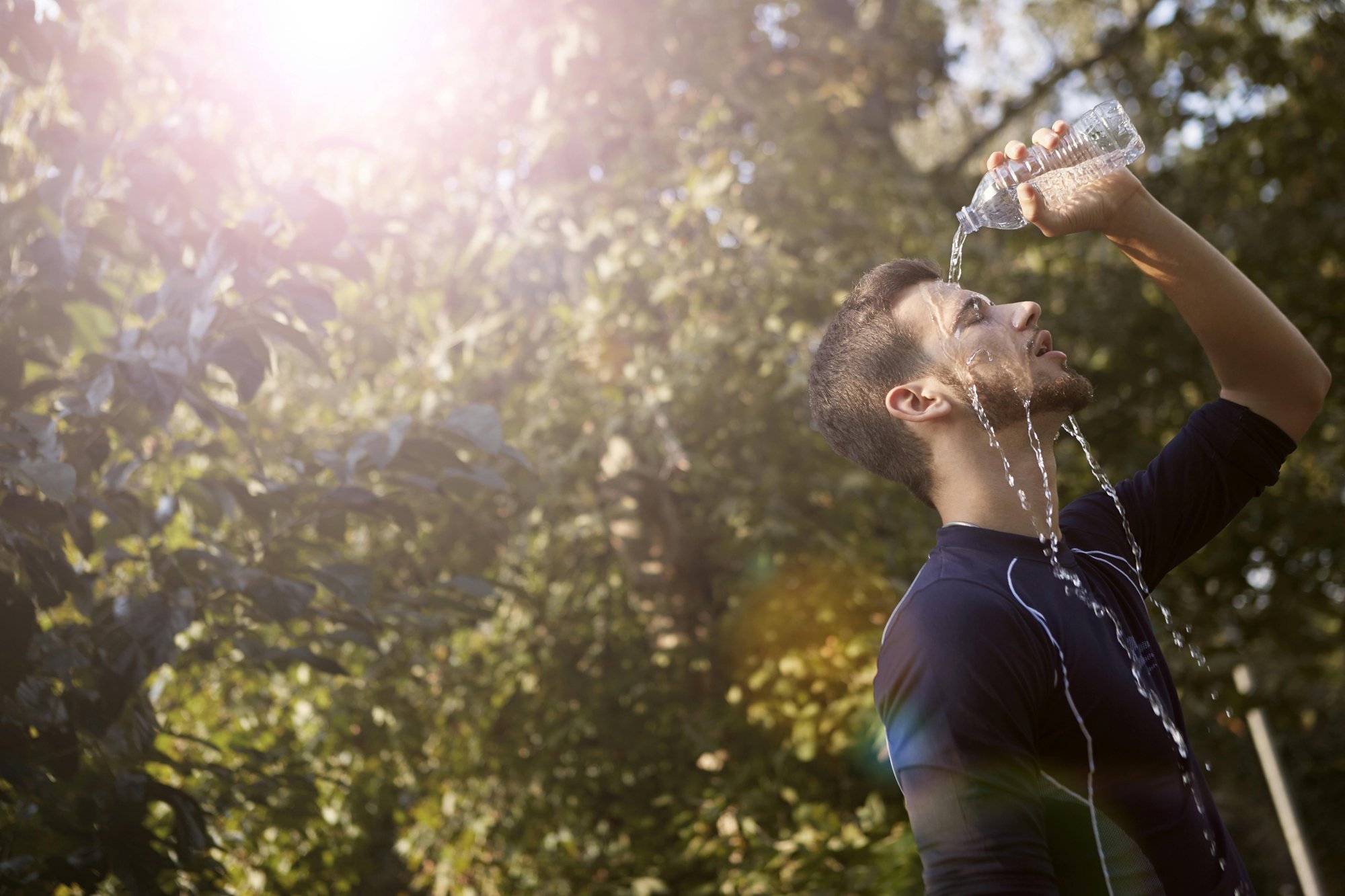
When it's hot, your body loses more water through sweat, and even mild dehydration can affect energy levels, concentration, mood, and digestion.
How much water do you need?
A general guideline is around 2–2.5 litres per day for adults, but during hotter days or physical activity, your needs increase. Listen to your body; if you feel thirsty, tired, dizzy, or notice dark urine, it’s time to hydrate.
Top hydration tips:
- Start your day with a glass of water before tea or coffee.
- Carry a reusable water bottle and sip throughout the day.
- Eat water-rich foods like cucumber, watermelon, berries, tomatoes, oranges, and leafy greens.
- Add natural flavour to water with lemon, mint, or fresh fruit.
- Be mindful of diuretics like coffee, tea, or alcohol, which can increase fluid loss, causing dehydration.
Summer Nutrition: Light, Colourful & Nourishing
Warmer weather often calls for lighter meals, and that’s a great opportunity to load up on fresh, colourful, nutrient-dense foods that support hydration and digestion.
Smart summer eating tips:
- Prioritise fresh produce: aim for a rainbow of fruits and vegetables, which offer hydration and antioxidants.
- Include lean proteins like fish, grilled chicken, tofu, beans, or legumes to support energy and satiety.
- Don’t skip healthy fats: olive oil, avocado, and nuts help regulate inflammation and keep you satisfied.
- Limit heavy, greasy meals, which can feel harder to digest in hot weather.
Sleeping Well in Hot Weather
Struggling to sleep in the heat? You're not alone. Our body temperature naturally drops at night to help us fall asleep, and when the bedroom is too warm, that process is disrupted.
Tips for better sleep on hot nights:
- Keep your bedroom cool — use a fan or open windows for ventilation.
- Close blinds or curtains during the day to block heat. It’s better to wait until evening before opening the windows, as the temperature outside should be lower than it is indoors by then.
- Sleep in breathable fabrics like cotton or linen. Wearing less clothing is ideal; some people like to sleep naked!
- Avoid heavy meals, caffeine, or alcohol before bed.
- Try a cool shower before bedtime or a cold water foot soak to help lower your body temperature.
Be Sun Smart
UV exposure is highest in summer. Enjoy the sunshine, but protect your skin and eyes with:
- Sunscreen (SPF 30 or higher)
- A wide-brimmed hat and sunglasses
- Shade breaks between 11 am and 3 pm
- Limit physical activity to cooler parts of the day to avoid the risk of dehydration, heat exhaustion or heatstroke.
Quick Tips for Parents: Keeping Babies Safe in Hot Weather
Babies are more vulnerable to heat-related illness because their bodies don’t regulate temperature as effectively as adults. According to guidance from the NHS and World Health Organisation (WHO), infants can overheat quickly, even in seemingly mild conditions, making it essential to take extra care during hot weather.
Key science-based tips to protect babies from heat:
1. Keep Them Cool, Especially in Sleep
- Dress babies in lightweight, breathable clothing (cotton is ideal).
- Use a single lightweight blanket or just a nappy for sleep if it's very warm (room temp above 24°C).
- Keep their sleep space well ventilated. Use a fan placed at a safe distance, never pointing directly at the baby.
- Aim to keep the room between 16–20°C (61–68°F), the optimal range recommended for safe infant sleep.
- Breastfed babies don’t usually need extra water; feed more frequently, as breast milk adjusts to offer more fluid in the heat.
- Formula-fed babies can be given small amounts of cooled boiled water between feeds if needed; always check with a health visitor or GP if unsure.
- Watch for signs of dehydration: fewer wet nappies, dark urine, drowsiness, or dry lips.
- Keep babies under 6 months out of direct sunlight. Their skin has too little melanin and is highly sensitive to UV rays.
- When outside:
- Use light shade, like pram canopies, umbrellas, or natural shade.
- Dress them in loose, long-sleeved clothing, a wide-brimmed hat, and baby-safe sunglasses if tolerable.
- For babies over 6 months, use a broad-spectrum sunscreen (SPF 30 or higher) on small exposed areas like the face or hands. Test on a small patch of skin first.
- Even for a short time, cars can reach dangerous temperatures within minutes, which poses a life-threatening risk. Always take your baby with you when exiting the car.
The Bottom Line
Staying well in summer is about supporting your body’s natural balance: keeping hydrated, eating mindfully, moving with care, and getting restful sleep.
For parents, trust your instincts. If your baby seems unusually irritable, sleepy, or hot to the touch, or is feeding less, take action to cool them down and seek medical advice if symptoms persist. Babies can’t tell you they’re overheating, but they give subtle signs.
When you take simple steps to look after your health and your loved ones in warmer weather, you’re more likely to enjoy your summer with energy, vitality, and resilience.
Summer evokes warmth, relaxation and leisure. Stay cool, nourished and well-balanced this summer!
References
1.https://www.redcross.org.uk/stories/health-and-social-care/first-aid/beat-the-hot-weather-top-tips-for-staying-cool
2. https://www.nhs.uk/live-well/seasonal-health/heatwave-how-to-cope-in-hot-weather/
3.https://weather.metoffice.gov.uk/warnings-and-advice/seasonal-advice/health-wellbeing/tips-for-keeping-older-people-cool
4.https://www.gov.uk/government/publications/beat-the-heat-hot-weather-advice/beat-the-heat-keep-cool-at-home-checklist
Author: Eva Todd, Founder of Synergy Health Coaching.
July 2025
Disclaimer: This information is intended to support individuals in making informed decisions about their nutrition and lifestyle choices. Health coaches provide guidance in optimising well-being through food and lifestyle changes. However, individuals with medical conditions should consult their healthcare provider before making significant changes.
Share this post