What Causes Burnout?
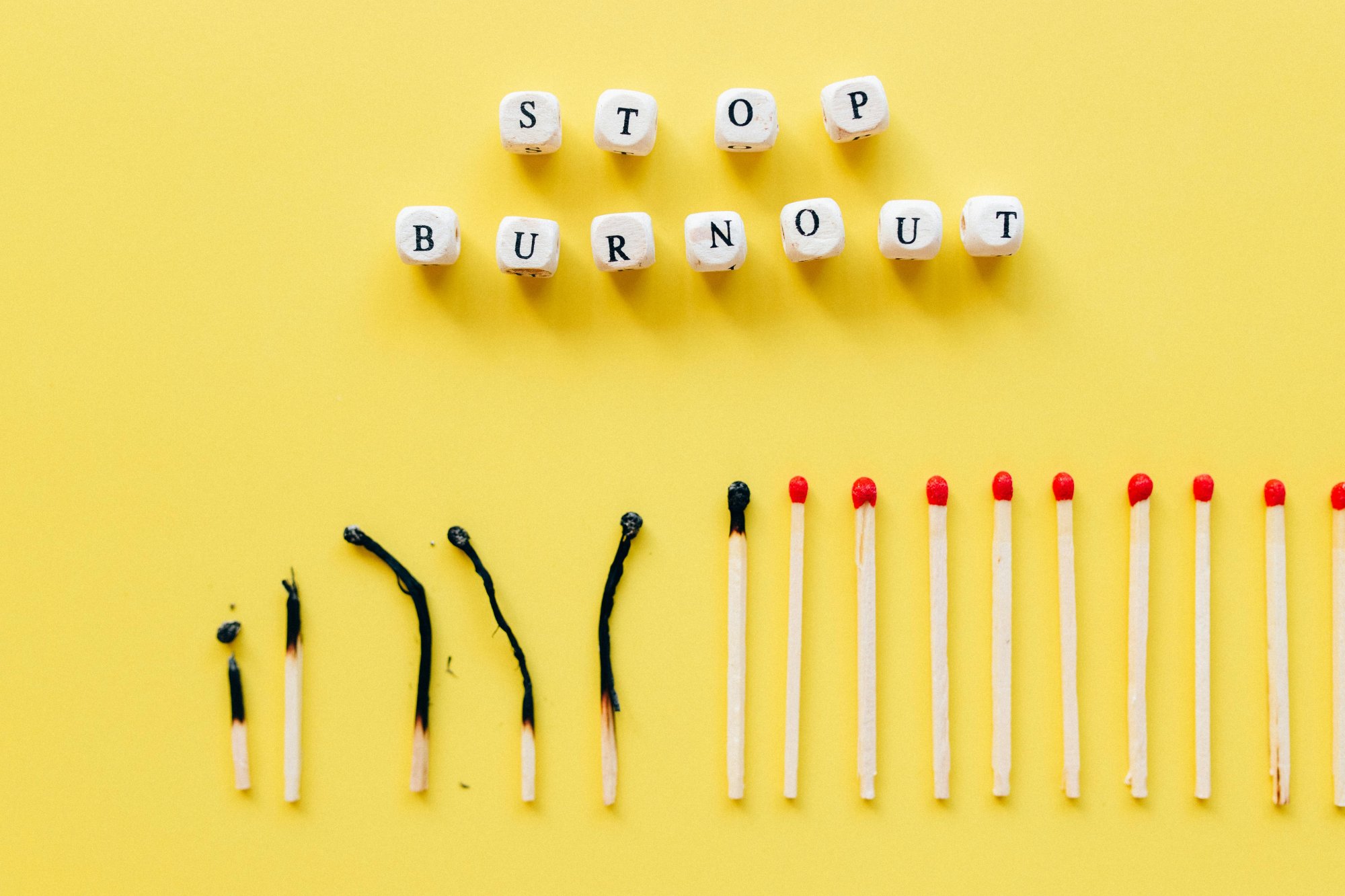
Burnout stems from prolonged stress—whether it’s from work, parenting, caregiving, or general life overwhelm. Studies have shown that chronic stress can disrupt cortisol rhythms, impair sleep, contribute to inflammation, and even impact gut health and immunity (Schneiderman et al., 2005; McEwen, 2006). Essentially, burnout occurs when demands consistently outweigh available resources and coping mechanisms, leading to emotional, physical, and mental exhaustion.
Your Mid-Year Reset Plan
At Synergy Health Coaching, we support our clients in taking back control of their health by working with both the body and mind, through nutrition, lifestyle improvements, and behavioural change, to help you recalibrate your energy, mental clarity, and overall well-being, without extreme measures or unsustainable routines.
Your Reset Plan to Beat Burnout:
Burnout and poor nutrition are tightly linked. When we’re stressed, we often crave quick fixes, such as sugar, caffeine, and processed carbs. These might give us a short burst of energy, but they soon cause crashes, mood swings, and more fatigue.
Did you know? Diets high in ultra-processed foods have been associated with higher rates of depression and anxiety, while balanced, nutrient-rich diets are linked to better mental and emotional health (Jacka et al., 2010).
What you eat affects how you think and feel. A Mediterranean-style eating pattern, rich in vegetables, healthy fats, whole grains, and lean proteins, has been shown to improve energy and mood (Parletta et al., 2017).
Empower Yourself:
Instead of restriction, focus on nourishment. Build meals around the “balanced plate” model:
- Half your plate with non-starchy vegetables (colourful and fibrous)
- A quarter with quality protein (like eggs, legumes, lean meat, or tofu)
- A quarter with complex carbs (like quinoa, brown rice, or sweet potato)
- Add a serving of healthy fats (avocado, olive oil, nuts)
2. Sleep to Reset the Brain
When you’re burned out, sleep often becomes a casualty. Either you can’t fall asleep due to a racing mind, or you wake up feeling just as tired. Sleep is when your brain and body repair, restore, and regulate hormones, especially stress hormones like cortisol.
The Science: Deep sleep enhances memory consolidation, reduces inflammation, and helps regulate emotional responses (Walker, 2017). Chronic sleep deprivation, on the other hand, impairs decision-making, weakens immunity, and heightens anxiety.
Empower Yourself:
- Set a consistent bedtime—even on weekends
- Avoid screens 1 hour before sleep (blue light suppresses melatonin)
- Try a calming pre-sleep routine: herbal tea, breathwork, or reading
- Aim for 7–9 hours per night—not as a luxury, but as a necessity
3. Move with Purpose, Not Pressure
Movement is a powerful antidote to burnout. Physical activity improves mood, enhances cognitive function, and lowers stress hormones like cortisol. But when you’re low on energy, intense workouts can feel impossible. That’s okay. The key isn’t intensity—it’s consistency and enjoyment.
The Evidence: Exercise boosts mood-enhancing brain chemicals like dopamine and serotonin, improves sleep, and increases energy. It also regulates the HPA axis (your stress-response system), helping the body recover from chronic tension (Ratey, 2008).
Empower Yourself:
- Start with 15–20 minutes of daily movement
- Mix in light walks, yoga, stretching, or dancing
- Focus on movement that feels good, not punishing
- If you're at a desk all day, schedule "movement snacks"—quick 5-minute breaks to stretch or walk
4. Practice Mental Resilience Through Stillness
Burnout often comes with mental clutter—racing thoughts, overthinking, and constant reactivity. Building resilience means developing your capacity to stay calm, focused, and clear—even in challenging moments.
The Science: Regular mindfulness or meditation practices are shown to reduce the size of the amygdala (the brain’s stress center) and increase prefrontal cortex activity (linked to focus and emotional regulation) (Tang et al., 2015).
Science shows mindfulness-based practices lower stress and improve mental resilience (Chiesa & Serretti, 2009).
Empower Yourself:
- Try a simple breathwork practice: inhale for 4, hold for 4, exhale for 6 (repeat for 3–5 minutes)
- Start a short daily journaling ritual—ask “What drained me today? What nourished me?”
- Practise mindfulness in everyday moments—eating, walking, even washing dishes
5. Review & Realign Your Priorities
Often, burnout is a signal that something is misaligned. You may be spending too much time on obligations that don’t fuel you, or sacrificing your needs for others. Realigning means creating space for what matters most—and learning to say no with clarity and self-respect.
Tool for Awareness: Try this mini self-assessment:
- What gives me energy?
- What drains me?
- Where do I spend most of my time and energy each day?
- What small shifts could I make to rebalance?
- Block time in your calendar for recovery—even 15 minutes counts
- Schedule weekly “purpose pauses” to check in on how you feel
- Seek support: talk to a friend, coach, or therapist—you don’t need to do it alone
Final Thoughts
Burnout isn’t a personal failure; it’s a biological response to doing too much for too long without recovery. But it can be reversed. You can take back your health with small, strategic steps that align with your lifestyle.
At Synergy Health Coaching, we help you reset with clarity, compassion, and a plan that works. Using our evidence-based Synergy Method, we guide you in building sustainable habits around nutrition, movement, sleep, stress management, and mindset—so you can feel more energised, resilient, and in control of your life.
Book your free Health & Wellness Consultation today. Let’s personalise your mid-year strategy and help you achieve balance to beat burnout.
Author: Eva Todd, Founder of Synergy Health Coaching.
August 2025
Disclaimer: This information is intended to support individuals in making informed decisions about their nutrition and lifestyle choices. Health Coaches provide guidance in optimising well-being through food and lifestyle changes. However, individuals with medical conditions should consult their healthcare provider before making significant changes.
Share this post